


CPR
Cardiac arrest remains one of the leading causes of death among adults aged 18–65. In Canada, approximately 60,000 out-of-hospital cardiac arrests occur each year—about one every nine minutes—with only 1 in 10 patients surviving, according to the Heart and Stroke Foundation of Canada and Global News. In the United States, the numbers are even more sobering, with estimates ranging from 350,000 to over 400,000 sudden cardiac deaths annually, as reported by SCA-Aware, CPR.Heart.org, and the American Heart Journal. These statistics underscore the critical importance of high-quality CPR training and early intervention in improving survival outcomes.
At Second Chance CPR, our programs are aligned with the latest ILCOR guidelines and are fully compliant with the updated WSIB Regulation 1101 framework and the CSA Z1210:24 standard, effective June 22, 2026, ensuring consistent, evidence-based training that reflects current best practices in emergency care and workplace safety.
Our courses include instruction on appropriate rescue techniques for patients of all ages, along with essential knowledge related to heart disease, stroke recognition, risk factors, heart-lung function, and preventative awareness including prudent heart living. Students will learn how to recognize and respond to cardiac arrest, heart attack, stroke, choking, and respiratory emergencies, as well as how to safely use barrier devices and bag-valve-mask (BVM) ventilation for adult, child, and pediatric patients.
Courses offered:
CPR Level A is designed for individuals who need foundational adult emergency response skills. It covers adult CPR, choking relief, and AED use, making it ideal for general workplace staff, corporate employees, and members of the public.
CPR Level C expands training to include adults, children, and infants. It covers CPR, choking procedures, and AED use across all age groups, and is well suited for teachers, childcare providers, coaches, fitness instructors, and community program staff.
CPR – BLS (Basic Life Support) provides advanced, team-based resuscitation training for healthcare professionals and first responders. It includes high-performance CPR, airway management, bag-valve-mask ventilation, oxygen administration, and coordinated resuscitation using AEDs. This level is essential for nurses, paramedics, firefighters, police officers, corporate security personnel, dental professionals, and medical students entering clinical practice.
First Aid
At Second Chance CPR, our experienced instructors teach employees that First Aid training can significantly reduce the severity of workplace injuries. Beginning June 22, 2026, our programs will fully align with the updated WSIB framework and the CSA Z1210:24 standard, reflecting the most current national requirements for workplace First Aid training. Every day, hundreds of injuries occur in the workplace, ranging from minor cuts and sprains to serious incidents such as burns and traumatic injuries. These situations can impact an employee’s ability to work safely, which is why our training—delivered by professional instructors with real-world emergency experience—is designed to prepare staff to respond quickly, confidently, and effectively.
Second Chance CPR is proud to be a recognized provider of First Aid training under Regulation 1101 of the Workplace Safety and Insurance Board of Ontario. All courses are aligned with WSIB requirements and the updated CSA Z1210:24 standard for workplace First Aid training, as well as CSA Z1220:17 for first aid equipment and workplace kit guidelines. These updates ensure a consistent, evidence-based approach to both training and workplace preparedness across Ontario.
With the implementation of CSA Z1210:24, course naming and classifications have been updated to Basic First Aid and Intermediate First Aid levels. All of our programs reflect these updated CSA standards while maintaining full WSIB compliance, ensuring clear, standardized training that supports safer workplaces across all sectors.
Intermediate First Aid (CSA Z1210:24)
This course prepares participants to manage a wide range of medical emergencies and provide sustained care until professional help arrives. Under WSIB Regulation 1101, workplaces with six or more employees per shift are required to have at least one trained worker on site with a valid Intermediate First Aid certification. This program fulfills that requirement. Second Chance CPR is a recognized WSIB training provider, and this certification is widely used by healthcare professionals and individuals entering careers in Nursing, Policing, Firefighting, Dental Assisting, and other health-related fields.
Basic First Aid (CSA Z1210:24)
This course teaches participants how to respond effectively to medical emergencies and provide immediate care until advanced help arrives. Under WSIB Regulation 1101, workplaces with five or fewer employees per shift are required to have at least one worker on site with a valid Basic First Aid certificate. This program fulfills that requirement and ensures participants are prepared to act decisively in emergency situations.
All courses include an Emergency Action Guide (First Aid booklet), wallet cards, and printed wall certificates. Participants also receive a single-use CPR face shield (barrier device) for training and emergency use.
Courses include the following topics:
Bleeding and wound management
Musculoskeletal injuries
Head and spinal injuries
Respiratory emergencies
Communicable diseases
Burns
Seizures
Diabetic emergencies
Poisoning
Triage principles
Airway, breathing, and circulation
Rescue breathing and CPR skills
Heart attack and stroke recognition
Choking (conscious and unconscious)
Optional AED training module
Each class is customized to the specific needs of the workplace. Instructors ensure employees are familiar with on-site safety equipment and understand how to use it effectively, making the training practical, relevant, and directly applicable to their work environment.
First Aid courses offered:
Intermediate First Aid Initial Program (16 hrs)
Intermediate First Aid Recertification (8 hrs)
Basic First Aid Initial Program (8 hrs)
Course times may vary depending on CPR level (A, C, BLS)
Defibrillation
Automated External Defibrillators are quickly becoming common place in facilities, factories and gathering places in Windsor and Essex County as well as world wide because it is being recognized as the single most important contributing factor of survival. AED’s increase a victims chance of survival at the scene prior to Emergency Responders arriving.
These machines can be found in schools and institutions, retail stores and community centres throuout the region. The AED training class is designed to teach students the who, what, when, why, where, and how of Defibrillation. With CPR and AED training, a victims chances of survival are dramatically increased when the patient faces Sudden Cardiac Arrest and an AED is present. This class is generally incorporated into the CPR training course with minimal impact on time.
This year we are pleased to announce the addition of the LIFEPAK CR2 training to our list of available programs that target Public Access Defibrillator Responders. This is the newest unit with the latest technology in AED’s on the market.
Second Chance CPR also offers the LIFEPAK 1000 AED for Corporate Security, and Health Sector Employees, while also offering training programs for Public Access Defibrillator Responders utilizing the LIFEPAK CRPlus. This unit is the preferred AED being utilized throughout Essex and Kent County for the Public Access Defibrillator Program. Second Chance CPR has also developed training programs for other AED manufacturers. For more information and to see a list of available programs, please contact us.
Schools
Second Chance CPR (SCCPR) has been a proud partner of our local school boards for more than 30 years, supporting initiatives that teach students these vital life-saving skills. We provide CPR, FIRST AID and AED training as well as First Responder services across Windsor and Essex County. Our partnerships include the Greater Essex County District School Board (GECDSB), the Windsor-Essex Catholic District School Board (WECDSB), and the Conseil scolaire catholique Providence.
Through the Specialist High Skills Major (SHSM) program and other school-based initiatives, SCCPR has helped thousands of students across Windsor-Essex gain hands-on training in CPR, FIRST AID and AED use. Skills that can make the difference in a life.
Many of our instructors are registered with the Ontario College of Teachers, and every instructor holds a valid Police Clearance Certificate. In addition, all are fully screened through the Ontario Education Services Corporation (OESC) under the Ministry of Education, ensuring the highest level of trust and professionalism in working with students and staff.
Police & Fire
Second Chance CPR (SCCPR) is proud to be the training provider for Fire Departments and Police Services throughout Windsor and Essex County, as well as the program provider for FESTI (Fire and Emergency Services Training Institute), Billy Bishop Airport, and large corporations like Caesars Windsor.
In addition to core CPR, AED and First Aid instruction, we specialize in creating scenario-based training that reflects the unique challenges faced by first responders and security professionals. Police, Fire, and Security personnel are responsible for a wide range of critical tasks. From responding to emergencies and ensuring scene safety to report writing and incident documentation. Our training programs are designed to prepare them for this full spectrum of responsibilities, combining hands-on medical skills with the practical decision-making and communication skills required in real-world situations.
Examples of our scenario-based training include:
-
A team approach responding to a medical emergency at a large venue.
-
A response to an unconscious employee due to an opioid overdose at an industrial workplace.
-
An in-custody medical emergency within a police or correctional setting.
-
A cardiac arrest in a high-traffic public space, like an airport or community centre.
By incorporating these realistic scenarios, we ensure trainees gain not only the technical ability to provide life-saving care but also the confidence to manage complex, high-pressure incidents with professionalism and efficiency.
First Responder
Second Chance CPR offers trusted First Aid Standby services to ensure the safety of participants at community and corporate events. In partnership with MEDEVAQ Consultants, we’ve also developed a comprehensive Medical First Responder course designed to prepare individuals for real-life emergencies. For more details or to book services, please contact us at 519-977-7017.
Airway Management
This course is designed to provide additional training for those interested in furthering their knowledge and response capabilities
when dealing with medical emergencies. As well as further supplementing their CPR, First Aid and Defibrillation training.
About the Course:
* 2 year Certification under Medical Direction
* approx. 4 Hour Course
* Prerequisite: Current CPR Certificate or current recognized equivallent
Course Content :
- Introduction to the course
- Recognition and Treatment of respiratory emergencies
- Use of bag-valve mask (BVM), adult, child, pediatric
- Resuscitation mask, suction equipment, Oxygen regulators, and other ventillation devices
- Demonstration of the stages in the administration of emergency oxygen
- Oxygen Tank, Oxygen Regulators, Airways, Standard Oxygen Kits will be used in the course
This course meets and exceeds the ILCOR guidelines
Global Harmonized System (GHS) / WHMIS (Workplace Hazardous Materials Information System)
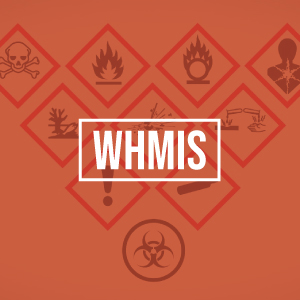
The Workplace Hazardous Materials Information System (WHMIS) is Canada’s national hazard communication standard. It ensures that workers who use, handle, store, or dispose of hazardous materials (controlled products) have the information they need to do so safely.
WHMIS has been aligned with the Globally Harmonized System of Classification and Labelling of Chemicals (GHS) through the Hazardous Products Act and the Hazardous Products Regulations (HPR), administered by Health Canada.
Major Updates & Compliance Dates
-
February 11, 2015 – The Government of Canada published the amended HPR, officially transitioning Canada from WHMIS 1988 to WHMIS 2015.
-
December 1, 2018 – Full implementation of WHMIS 2015 across Canada was completed.
-
December 15, 2022 – Amendments to the HPR came into force to align with GHS (7th edition and parts of 8th).
-
December 14, 2025 – Transition period ends; all suppliers, distributors, and employers must fully update labels, Safety Data Sheets (SDSs), and training to meet the new requirements.
-
December 15, 2025 – Full compliance with WHMIS 2022 is mandatory.
Key Changes in WHMIS 2022
-
New hazard class: Chemicals Under Pressure.
-
Expanded aerosol categories, including a non-flammable category.
-
Revised Flammable Gases classifications (Categories 1A and 1B).
-
Stricter and more detailed requirements for Safety Data Sheets (SDS) content.
Roles & Responsibilities
Suppliers must:
-
Determine whether their products are hazardous.
-
Prepare and provide compliant labels and SDSs to purchasers.
Employers must:
-
Educate and train workers on hazardous products used in the workplace.
-
Ensure all hazardous products are properly labeled.
-
Provide and maintain workplace labels and SDSs where needed.
-
Review WHMIS programs at least annually in consultation with their Joint Health and Safety Committee (JHSC) or Health & Safety Representative (in Ontario).
Workers must:
-
Participate in WHMIS and chemical safety training programs.
-
Follow safe work practices and procedures.
-
Take necessary steps to protect themselves and co-workers.
Why This Training Matters
This course meets the legislated worker training requirements for both federal and provincial workplaces in Ontario, ensuring compliance with WSIB and the Ontario Occupational Health and Safety Act (Reg. 860).
Second Chance CPR provides WHMIS/GHS training that is practical, compliant, and tailored to your workplace.
For information or to book training, call us at 519-977-7017.
Consulting Services
Second Chance CPR has been training response type courses for over 25 years. Our dedicated team of professionals brings skill sets to the table to allow us to custom design programs in many different fields of discipline. With that knowledge and many years of professional response experience, we can help design specific training for your company.
N95 Respirator Training (QNFT)
Fit testing to a mask system (N95, half mask, full face) is necessary to ensure the worker has an adequate seal with the respirator to provide the required protection from a potentially dangerous atmosphere. Required by Occupational Health and Safety in all jurisdictions of Canada, Second Chance CPR utilizes the CSA Standard Z94.4 – 18 (R2023), Selection, Use and Care of Respirators standard.
Second Chance CPR uses a Quantitative Fit Test machine called a PortaCount. This equipment provides accurate and repeatable results and is specifically recognized by the CSA standard.
Our Portacount Fit Test system can provide fit testing for many different mask systems through the use of adapters, allowing for efficient testing of multiple mask types during a single test appointment.
PROGRAM HIGHLIGHTS
The basic elements of a respiratory protection program are:
- hazard identification and discusses engineering controls
- exposure assessment
- education of employees on airborne hazards in the workplace
- selection of appropriate respirators;
- respirator fit testing
- provision of training in the proper use of respiratory protection;
- procedures for cleaning, inspecting and storing respirators;
- medical surveillance for workers using respiratory protection;
- maintenance of training, fit testing and medical surveillance records;

Employers must choose respirators based on the selection criteria:
- Respiratory protective equipment must be properly fitted to the wearer’s face.
- Employers must comply with standard when fit testing respiratory protective equipment.
- Employers must use the assigned protection factors (APFs) specified in that standard.
- Employers must develop a written code of practice governing the selection, maintenance and use of respirator
PLEASE NOTE: Participants attending Fit Testing must not eat, smoke, brush their teeth, wear perfume/cologne, chew gum or eat candy for ½ hour before the fit test. The equipment works by evaluating particles inside the mask, causing the participant to fail the test if any of the above are present during the test.
Fire Extinguisher Training
Fires in the home or at a place of business can be devastating and sometimes fatal. Understanding fire prevention, engineering controls and good housekeeping practices are keys to preventing fires. Effective training and the proper equipment for your environment are prudent to protecting lives and property.
Second Chance CPR is proud to use the LION (Bullex) Live Fire Intelligent Training System (I.T.S) Props
This course demonstrates the proper techniques to extinguish live fires under direct supervision of a qualified instructor.
Our course objectives are to assist you to understand:
- Classes of Fires
- How to make good decisions regarding your reactions to a fire
- Be able to classify a fire based upon the fuel that is burning
- Select the correct fire extinguisher based upon the type of fuel that is burning
- Develop an understanding of secondary hazards when a fire is present
- Conduct basic inspection, maintenance, and storage of fire extinguishers
- Fight or flight, how to make good decisions when faced with a fire
- Use of a fire extinguisher to put out several types of fires
- How to apply what you learn at home
- Home Fire Safety Tips
- Classes will discuss Smoke Alarms and CO detectors and their laws
Medical Direction
At Second Chance CPR, medical direction is embedded in all areas of our operations. From curriculum development to advanced care procedures, our programs are guided by clinical oversight to ensure safety, accuracy, and alignment with best practices.
Our Medical Director, Dr. E. Wasser, provides expert leadership and sets the medical direction for all of our programs. This includes First Aid, AED use, Oxygen Administration, Airway Management, and other advanced training components.
We also rely on our Medical Director for medical delegated acts, specific controlled medical procedures that can only be performed by trained individuals under the authority of a physician. In the context of First Aid and pre-hospital care, delegated acts may include:
-
Administration of Oxygen to patients experiencing respiratory distress, chest pain, or shock.
-
Airway management techniques such as using oropharyngeal airways and bag-valve-mask ventilation.
-
Use of AEDs (Automated External Defibrillators) under recognized medical protocols.
-
Symptom relief drug administration training, where applicable, in accordance with provincial guidelines and under medical supervision.
By using delegated medical acts under the oversight of Dr. Wasser, our instructors and responders are empowered to teach and perform interventions that go beyond basic First Aid, ensuring a higher standard of care for our students and the community.
This structure ensures that:
-
All courses remain compliant with CSA Z1210:24 standards and WSIB Regulation 1101 requirements.
-
Advanced skills taught in our programs are evidence-based, safe, and legally supported.
-
Participants learn protocols that mirror professional medical practices, improving both confidence and patient outcomes in emergencies.
Protocols are updated for all corporate clients as required. Call Second Chance CPR for pricing and information.
First Responder / Event Standby Services
First Responder / Event Standby Services
Clients involved in high-risk activities or those requiring specialized emergency protection can rely on Second Chance CPR’s professional standby services. Our Event Standby teams provide dedicated on-site medical coverage, ensuring the safety of participants, staff, and spectators throughout your event.
We are fully equipped with Trauma Bags, Oxygen administration, and Automated External Defibrillators (AEDs) at every standby. This allows our teams to provide rapid response and immediate care for a wide range of emergencies, including:
-
Cuts, scrapes, and soft-tissue injuries
-
Sprains, strains, and suspected fractures
-
Head and neck injuries
-
Heat-related illnesses and dehydration
-
Asthma attacks and breathing difficulties
-
Chest pain, cardiac arrest, and other life-threatening events
Second Chance CPR is proud to have served our community by delivering reliable standby services. Over the years, SCCPR has provided coverage at festivals, sporting events, concerts, corporate functions, and community gatherings—ensuring safety is always the top priority.
Approved Training Providers
Second Chance CPR – Northern Ontario
109 Queen St E, Suite Ste. Marie, ON P6A 1Y6
https://www.sccpr.com/saultstemarie/
(705) 945-1728
Jes@sccprno.com
SCCPR -NORTH is proud to deliver high-quality first aid and CPR training as part of the Second Chance CPR-approved network. As an approved training provider operating under WSIB Regulation 1101, all programs are delivered in accordance with established curriculum standards, medical direction, and quality assurance requirements, ensuring participants receive professional, compliant, and up-to-date training that meets provincial workplace first aid standards.